Showing posts with label Television. Show all posts

10 December 2014

The Simpsons' Tall Tales

"Simpsons Tall Tales" has been described as a "skewed" retelling of old tales. popular American folk tales have been re-mediated for a contemporary audience through the medium of cartoons. I wanted to study this as an example of how stories can be retold using animation, and the new options that are open to the story teller by way of this. The Simpsons are quite well known for retelling existing stories, when they have before covered the plays of Shakespeare, poems of Edgar Allen Poe and even bible tales. With a wide age-ranging audience and a comedic theme to it adds new and unique elements to many of these stories, and even sometimes subverts their original purpose. The writers take a great deal of liberties in the retelling. 

The first segment is based on the mythological lumberjack Paul Bunyan, who carved Babe the Blue ox out of the Blue Mountains. The story first originated as a oral tale by North American loggers. The character first appeared in print form about a century ago, when mention of him was published in newspaper articles and such, before being used as a figurehead for advertising endeavors. The character grew in popularity up to the 60's and 70's, when he took on a distinguishable image. He became popular with children in particular; In 1958 Walt Disney Studios produced Paul Bunyan as an animated short musical. The full piece can be viewed here: https://www.youtube.com/watch?v=4CNtcDjywBA
The Disney version lasts over 15 minutes, so goes in to significantly more depth than the Simpsons telling. It comes from a more historically placed context, with a 'first person' story teller. This way it claims to be less fictitious than it actually is. The aesthetics are of key importance in this version. It also looks quite dated, employing the animation style typical of other 50's Disney pieces, with old-fashioned language used in the narration. The target audience seems like it would be young children.
In contrast, the Simpsons version relies more heavily on storytelling as opposed to aesthetic. Humour is used liberally, and carries the interest of the viewer. The animation style is more contemporary and practical rather than arty. It cuts out of a lot of the more mundane points of Paul Bunions life and focuses on the highlights. Paul is 'played' by Homer Simpsons, which combines the old and new in an interesting way. It takes liberties with the canon by adding new characters in to the story and humorous situations. 


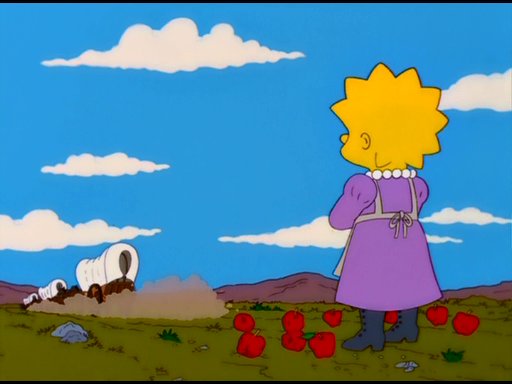
The second segment shows Lisa as Connie Appleseed, a female version of the American pioneer nurseryman Johnny Appleseed who introduced apple trees to large parts of Ohio,Indiana, and Illinois. He became an American legend while still alive. There have been numerous tellings and adaptations of his story, from plays, to guest appearances in books or tv. Again, in the Simpsons version, they adapt it very liberally for their own needs. Johnny becomes 'Connie' so that Lisa can 'play' the part of the main protagonist. Almost even more so than the first one, humour is used as a driving device in the narrative. The language used is quite modern, as the Simpsons would usually speak. The other characters are given parts in the tale as well. 

 "Tom and Huck" features Bart as Tom Sawyer and Nelson as Huckleberry Finn, both of whom are characters in Mark Twain's 1876 novel The Adventures of Tom Sawyer. Unlike the previous two, this is not based on a folktale; rather an actual novel. It is still interesting to see how the show adapts a popular American classic and makes it relevant and relateable to a modern TV audience. The writers make a point to use as much of the language and jargon in the books in this retelling, and the voice actors put on southern accents to better match the original location of the story. Because there is more definitive source material to base this part on than the previous few, it feels more true to the original and less liberties have been taken. This time, Tom sawyer is played by Bart, and Huckleberry Finn is played by Nelson. Humour features heavily yet again.


This episode is a neat example of how a cartoon can rehash a folktale in an entertaining way, making it appealing to modern audiences. In these examples, the essence of the tale is kept, while the characters and individual plot points can be changed dramatically.

6 December 2014

Bravest Warriors

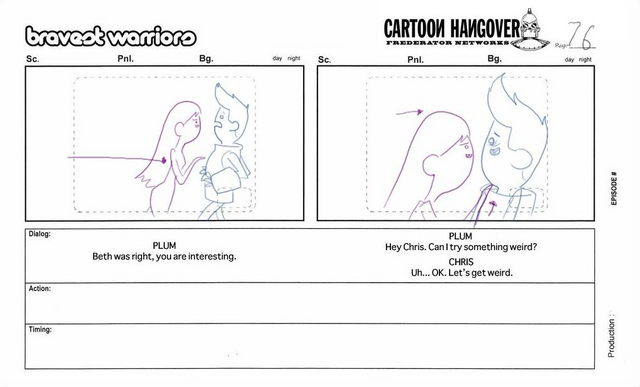
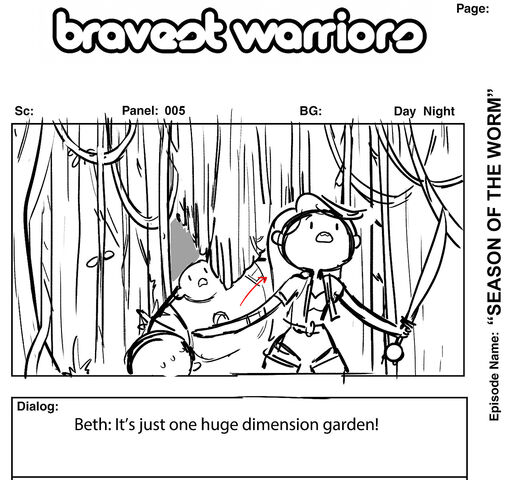
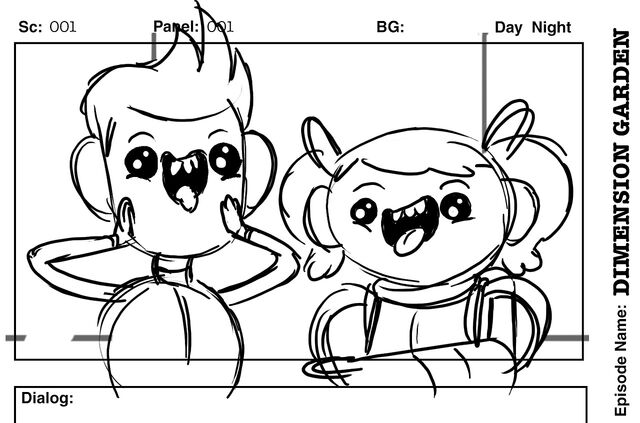
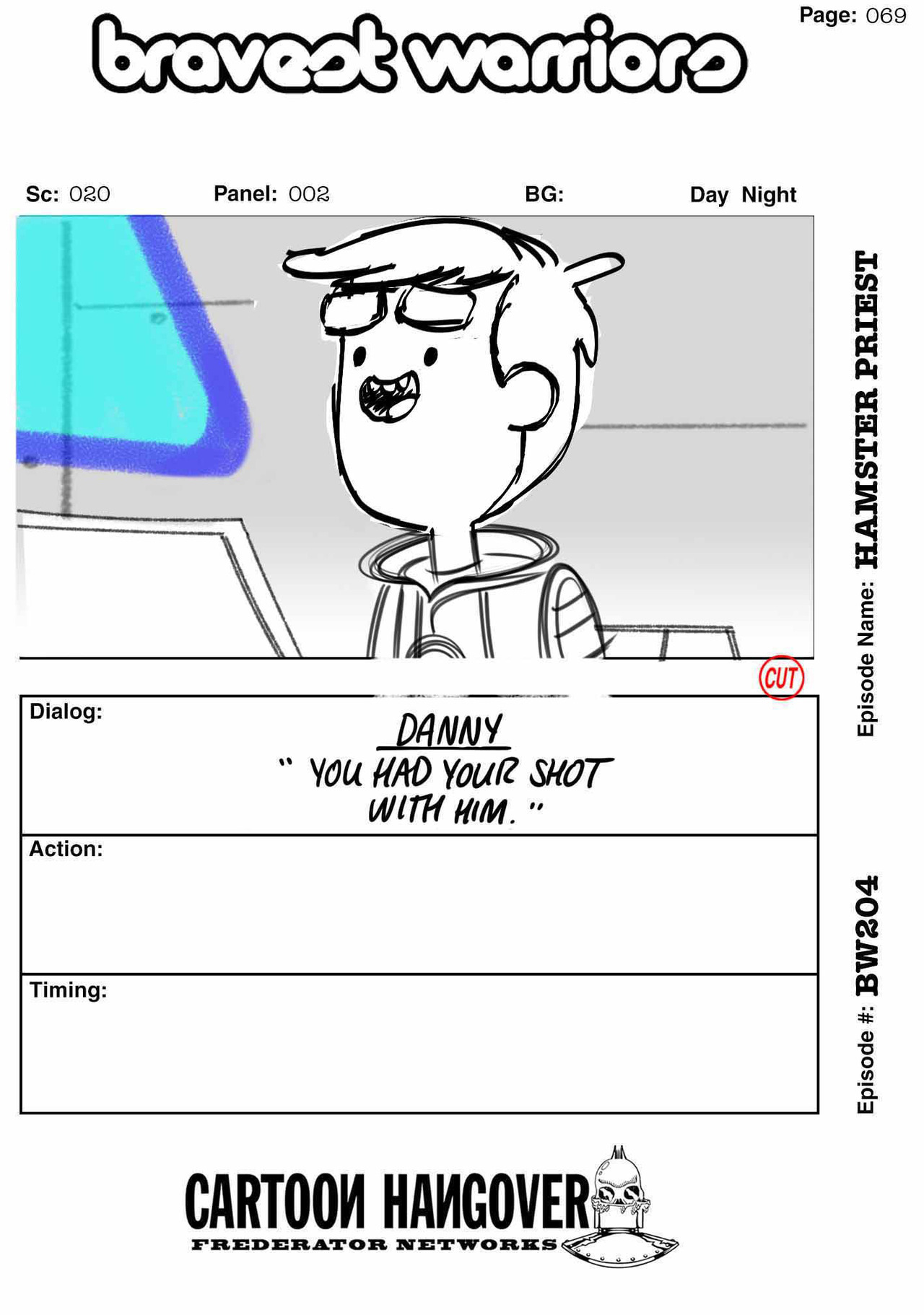
I came across another animated TV series by Pendleton Ward, the creator of Adventure Time. I didn't know this at first, until I started to notic a great many similarities between the two. They both feature flat, 2D scenery and figures, minimal shading, clean well-defined line work, and bright colours. The human characters have spaghetti-like limbs just like in adventure time, and large round faces with black oval shaped eyes. Of course, I looked it up and realised that they have the same creator. Bravest Warriors is created for Cartoon Hangover instead of Cartoon Network, which is like the mature version of the channel, hence BW has a more mature, adult audience. It has less structure than AT and the episodes are a lot shorter. Because it doesn't have the same constraints as AT, it can include sexual references, which is one of the most noticeable differences. They both contain human characters and anthropomorphic animals, as well as stranger imaginary creatures. The elements of fantasy keep the show interesting.


I watched all of the first season on YouTube in just over an hour. Its very addictive and I got into the nonsensical plot lines and wacky characters straight away.

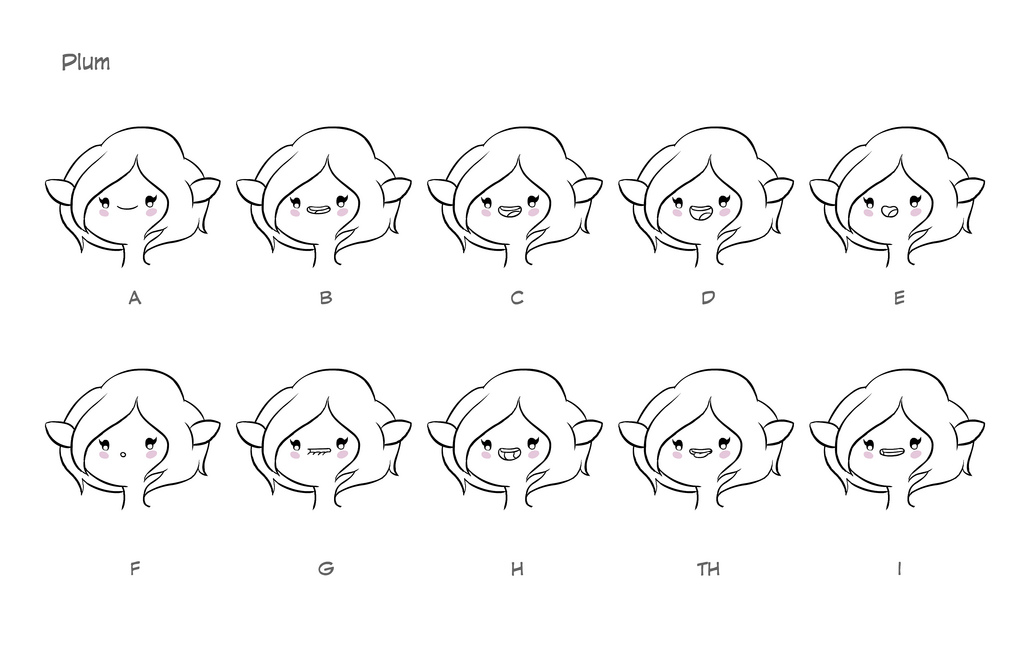
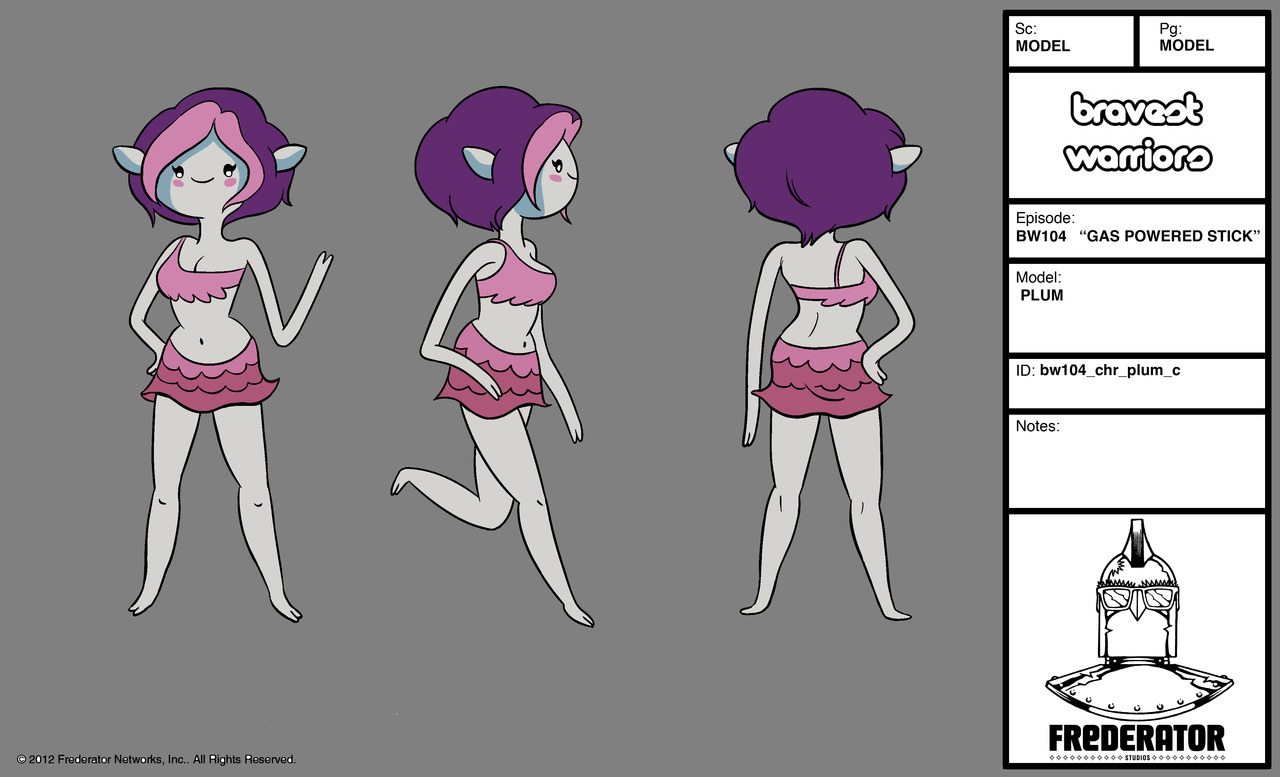
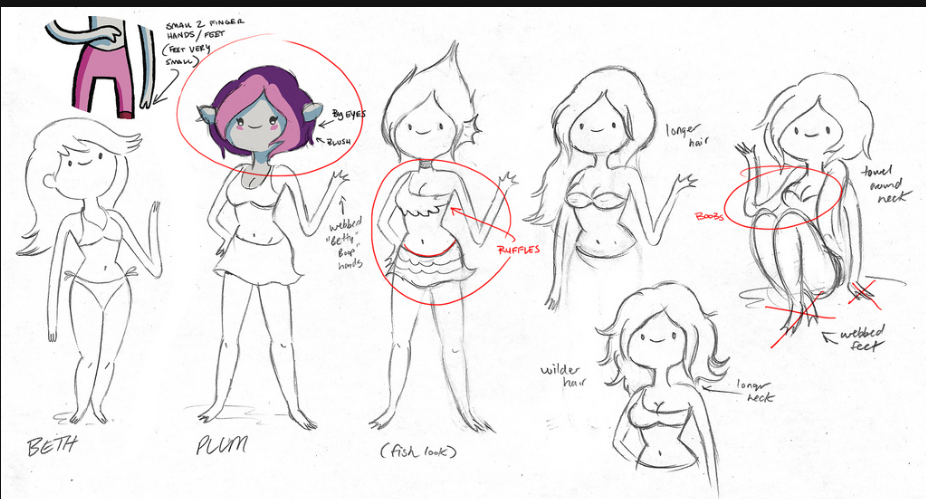
Plum concept art, model sheets etc source: bravestwarriors.wikia.com/wiki/File:Plum_Concept.png

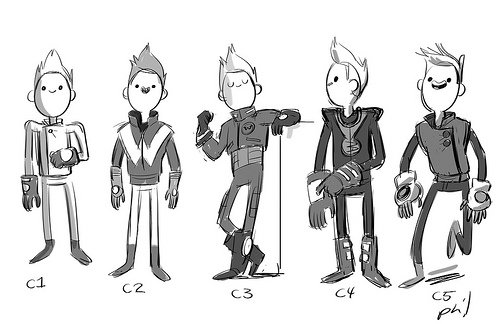
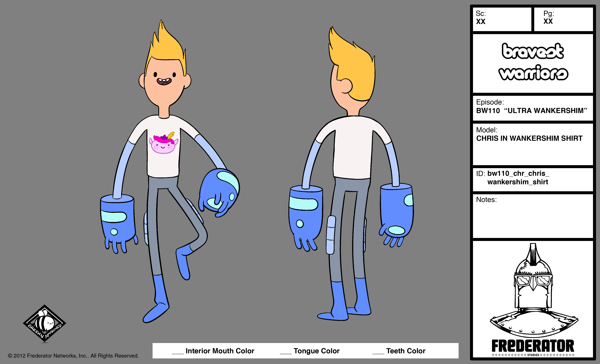
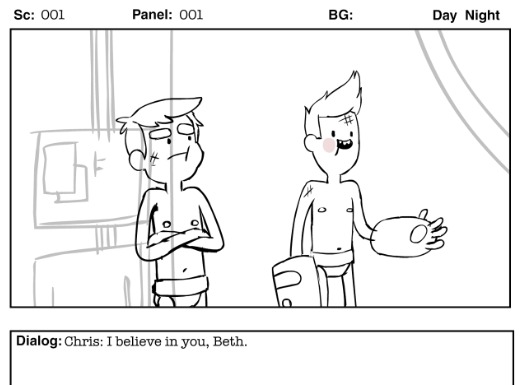
Chris concept art, design, model sheets etc source: bravestwarriors.wikia.com/wiki/File:Chris_Concept_Art.jpg

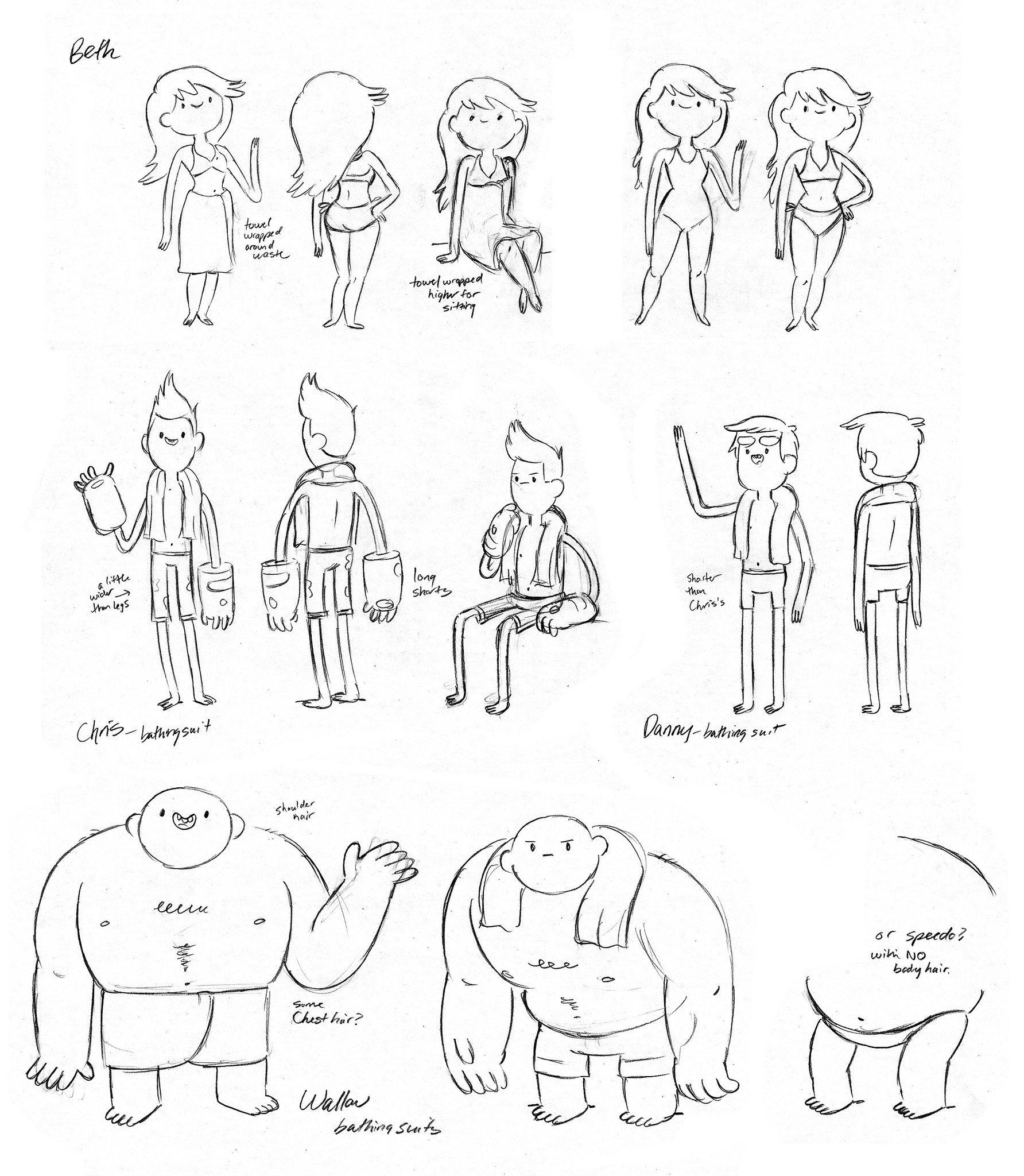
Character design source: bravestwarriors.wikia.com/wiki/File:Bravest_Warriors_Bathing_Suits.jpg


11 October 2014

Gravity Falls


I've never seen Gravity falls before but I have seen it mentioned a lot on Cartoon Brew and Tumblr. I thought I'd watch an episode or two on watchcarloononline.com, so I chose season 2 episode 1 and 2. The animation is cartoonish and looks like it is designed for a younger audience, with vibrant, bright colours. I love the aesthetic and the character design! It reminds me of the Simpsons or Fairly Odd Parents. The expressions and characters' movements are exaggerated and the story is fantastical to match. I don't see many examples of stretch and squash, and the characters don't have completely realistic weight. 
The charcters are super cute, as the two main protagonists are young twins with wide eyes and large heads. The voices are pretty cute too, with the girl voiced by the same person as Louise from Bob's Burgers.

The one criticism I might have is that the style of the show is a little too 'cute' and child-like for the story line and themes, which tend to be a bit more adult and scary.


28 September 2014

Bob's Burgers


Over the past few days I have pretty much watched two full seasons of Bob's Burgers. The website I mainly use to watch animated shows and films on for free is http://www.watchcartoononline.com/ which has all 4 seasons of the show up to date at the moment.
Bob's Burgers is described as an ' American animated sitcom created by Loren Bouchard for the Fox Broadcasting Company' (Wikipedia, 2014). The series is based on the lives of the fictional Belcher family, who live above a hamburger fast food joint which they run. The protagonist is the family patriarch, Bob, who also acts as the restaurant's head chef. The humor in the show seems simplistic at first but it really quite intelligent the more you watch and read into the jokes. A few of the jokes are quite adult in nature, and while not explicitly sexual they make quite cheeky references. Because there are children present as characters in the show, the more mature jokes have to be implicit. In one episode, Linda, the mother, hosts a women's party which she lets her kids attend. Unbeknownst to her the purpose of the party is to sell vibrators, so she has to hurriedly shoo the children away while they attempt to guess what the vibrators might be. In this way the show can be said to be almost similar to the Simpsons: it's child friendly but mainly aimed towards an older audience. Apparently the show has never used a word that had to be censored by the network. Some of hidden 'easter egg' jokes are very clever, like in every title sequence the premises next to the burger joint will be called a different quippy name, and the special burger of the day will be a pun based on a film title in each episode.
I love the animation in this. The vibrant colours and simple line details remind me of shows like Family Guy and American Dad. It gives a really lighthearted feeling to the show. The character design is very distinctive, again, like The Simpsons. The chins aren't protruding at all which gives the heads a pinball shape. I looked at some of the animation from some of the tests for the studio and the pilot episode. The drawing was a lot cruder and less sharp. the characters' noses were longer and looked oddly disproportionate. The characters are awkwardly stretched, and details such as the hair aren't completely cleaned up in every shot. 
The voice acting is an intrinsic part to the dynamic of the show, and really makes the characters come alive, even more so I believe than the animation. It's easy to listen to an episode without even watching it fully, and still enjoy it just as much. the voice of Bob is the same as Archer from the FX show 'Archer,' which is quite weird to get used to when you're used to watching both. 

The show has become really big in pop culture at the moment, with Facebook pages, Tumblr blogs and twitter account dedicated to fandoms of individual characters. I really enjoy watching Bob's Burgers, and it feels like a bit of a guilty pleasure to watch something so simply entertaining.

do you want crossovers? because this is how you do crossovers